
A few dark hairs on the chin and dense growth across an entire back are both hair-removal problems, but they should not automatically lead to the same treatment.
Electrolysis works one follicle at a time. Laser treats many pigmented hairs across a wider area during each session. That single difference affects almost everything else: treatment speed, suitable hair colors, session length, and the kind of result each method can realistically deliver.
That is why electrolysis vs laser hair removal is not really a question of which technology is universally better. The answer depends on the hair in front of the specialist.
How Each Method Works
Laser hair removal relies on pigment.
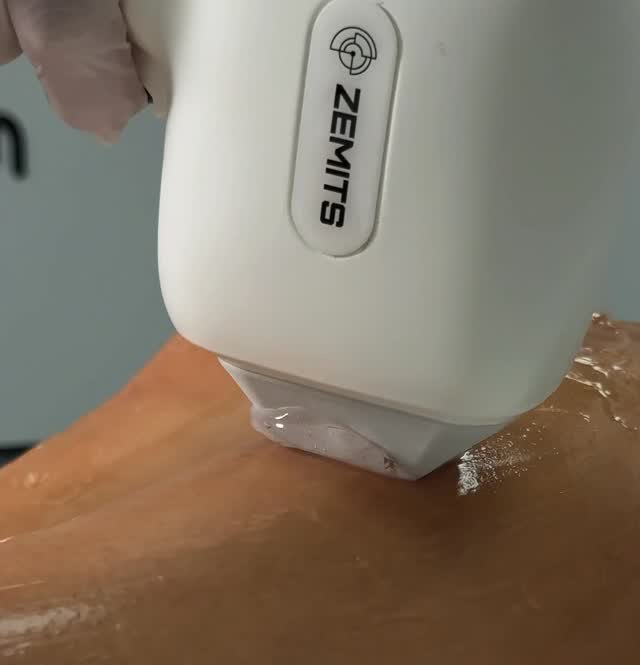
Melanin inside dark hair absorbs laser light and converts that energy into heat. The heat travels into the follicle and damages structures involved in future hair production. The process works most effectively when the hair is actively growing and still closely connected to those structures.
That explains why dark, coarse hair tends to respond well. It contains enough melanin to give the laser a clear target.
Electrolysis takes a completely different route. An ultra-thin probe is placed into the natural opening of an individual follicle. Electrical energy is then delivered directly inside that follicle to damage the cells responsible for growth.
Hair color is far less relevant here because no pigment target is required.
The terminology around permanence also deserves precision. Electrolysis is recognized as a method of permanent hair removal. Laser devices are generally described in regulatory language as providing permanent hair reduction, which means a stable long-term decrease in the number of hairs that regrow after a treatment course.
This distinction can sound technical, but it changes expectations. Laser can dramatically reduce growth across large areas. Electrolysis is designed to permanently treat follicles individually.
For anyone making a permanent hair removal methods comparison, that difference should come before price, treatment time, or package size.
Where Electrolysis Fits Best
Electrolysis becomes particularly useful once hair color, precision, or a very small treatment area makes laser less practical.
Gray hair is the obvious example. A laser needs enough melanin inside the hair to absorb its energy. Gray and white hairs have very little usable pigment. Many very light blonde and red hairs create the same problem.
Electrolysis does not depend on that pigment.
Small treatment areas also suit the method well because every visible follicle can be treated individually. It is commonly considered for situations such as:
- a few persistent gray hairs on the chin;
- pale upper-lip hairs that laser cannot target reliably;
- isolated growth around the areola or abdomen;
- detailed eyebrow or glabella cleanup;
- remaining hairs after a laser course has already reduced the darker growth.
This individual approach takes time. A handful of chin hairs is one kind of appointment. Clearing a densely covered back follicle by follicle is an entirely different time commitment.
Electrolysis also has an established role in gender-affirming hair removal. Facial and neck hair may be treated over time, and some gender-affirming surgical procedures require permanent hair removal in specific areas before surgery. When preparation is related to surgery, the exact treatment zone should be confirmed with the surgical team.
Hair color can influence the strategy here too. Dense dark facial growth may be reduced first with laser. Gray, pale, or isolated remaining hairs can then be cleared individually.
Where Laser Makes Sense
Laser becomes especially practical when there is a lot of dark hair spread across a larger area.
A single pulse can affect multiple follicles within the treatment spot. That makes areas such as the legs, back, chest, arms, underarms, and bikini zone much more manageable than treating every follicle separately.
The biology of the hair cycle still sets the pace.
- During the anagen phase, hair is actively growing and remains connected to the follicular structures that the laser needs to heat.
- Catagen begins the transition out of active growth, so the follicle becomes a less effective target.
- Telogen is the resting stage. Those hairs need another growth cycle before laser can target them effectively.
- Sessions are therefore spaced several weeks apart so new groups of active hairs can be treated over time.
- A full course commonly takes several visits, with the final number shaped by the area, density, hormones, hair type, and skin response.
A typical laser plan may fall around six to ten sessions. Certain areas respond faster, and hormonally influenced facial hair can need more patience.
Alexandrite and Diode technology is used for laser treatment, with settings chosen according to skin tone, hair color, density, and treatment area. Cooling is incorporated during treatment as well.
Large-area efficiency is only one part of the decision. Hair color still has to cooperate. Dark terminal hair usually provides a strong target. Pale hair does not.
That is where the choice becomes fairly straightforward. A back covered with coarse dark growth is well suited to laser. Six white chin hairs are not.
Using Both Methods Together
Some treatment plans make more sense when laser and electrolysis are treated as stages of the same process.
A large area may begin with laser because most of the hair is dark and dense. After several sessions, the remaining growth may look completely different. There might be fewer hairs overall, and some of the stubborn ones may be gray, blonde, or very fine.
Electrolysis can then address those individual follicles.
The face is another good example. Dark chin or neck hair can respond well to laser across the broader area. A small number of pale hairs may remain afterward. Clearing those one by one can be more practical than continuing laser sessions against hairs that no longer provide a useful pigment target.
The sequence needs planning because each method leaves the skin needing recovery time. Hair also has to be visible enough for electrolysis treatment.
One small recommendation is worth keeping in mind: do not decide on the second method too early. The hair pattern after several laser sessions may look very different from the starting point. It makes more sense to reassess what remains before mapping out detailed electrolysis work.
Inside an Electrolysis Session
Anyone considering electrolysis in Brooklyn should expect a very different appointment rhythm than a laser session. Electrolysis is slower and more detailed because each follicle receives individual attention.
The first visit usually establishes the treatment area, hair type, skin sensitivity, and likely timeline. A sensitivity test can also be performed before a longer course begins.
Before Treatment
Some visible hair needs to be present because the specialist must identify and access each follicle.
Preparation guidance generally includes:
- avoid shaving for roughly five to seven days beforehand so enough hair is visible;
- arrive with clean skin and no heavy creams or oils over the treatment area;
- mention medications, recent irritation, and any history of unusual skin reactions;
- allow enough time between appointments for the skin to settle.
Large areas naturally require longer treatment plans because the work is done follicle by follicle.
During the Session
An ultra-thin probe is inserted into the natural follicle opening. Electrical energy is delivered inside the follicle, then the treated hair is removed.
The sensation can vary considerably by body area. Some people describe brief heat or a small sting. Sensitive zones can feel sharper.
Local numbing cream may be used on request when appropriate. Session length also varies, since treating a small facial area requires far less time than working through dense growth on a body zone.
After Treatment
Temporary redness or sensitivity can appear after electrolysis. The treated area should stay clean, and unnecessary heat, friction, and irritating skincare are best limited while the skin settles.
Several appointments are usually required because not every follicle is visible and ready for effective treatment at the same time. Small areas may progress relatively quickly. Larger zones can require a lengthy course; guidance for areas such as the legs, arms, bikini, and back can extend to roughly 10-20 sessions.
The final choice becomes easier once the hair itself is assessed. Dark, dense growth across a broad area is usually a strong laser candidate. Light, gray, isolated, or highly precise hairs often suit electrolysis better. Some clients need both at different points.
A complimentary consultation can help establish which approach fits the treatment area, hair color, density, and expected result before a full course begins.