
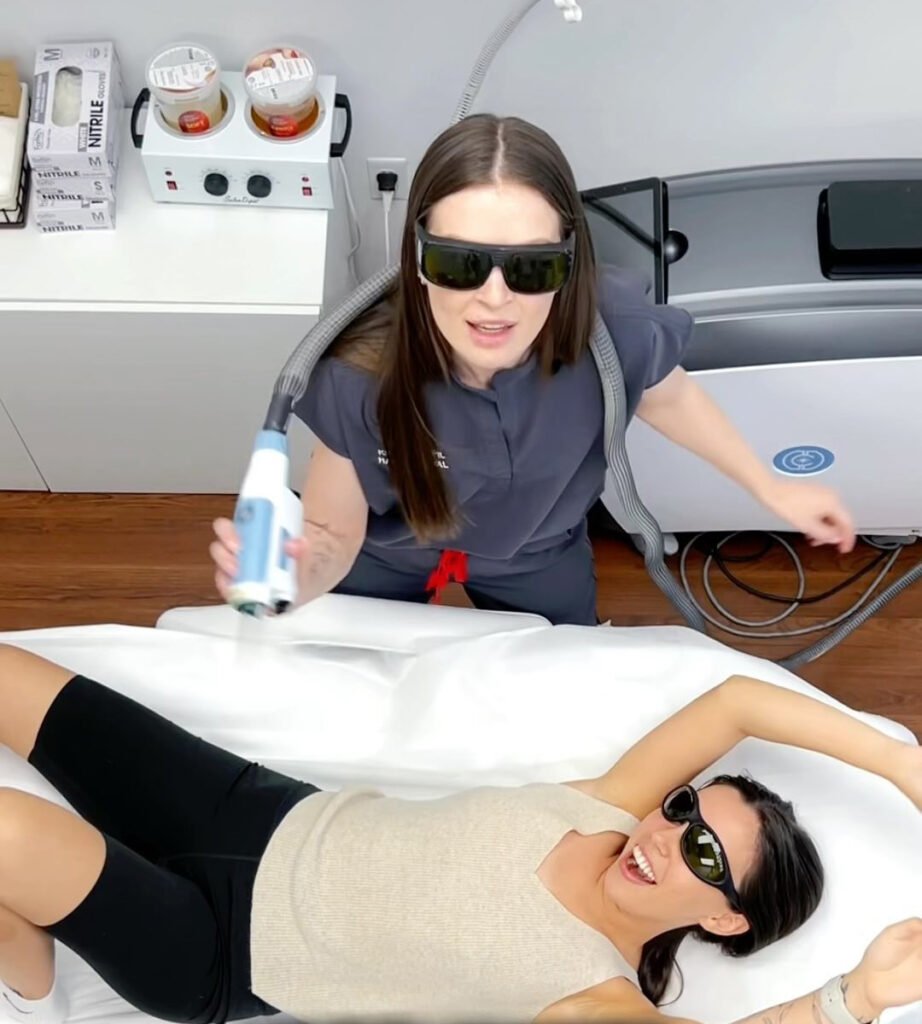
Sensitive skin does not automatically make laser hair removal a bad idea. It does change the way the treatment should be planned, though.
First of all, the term “sensitive” covers a lot of ground. You might simply flush after a hot shower or sting from the products that are seemingly ordinary. Or, in other cases, deal with eczema, rosacea, or recurring irritation. All of those happen with sensitive skin, but they are not identical reactions, so they should not be treated as if they are.
If you’re considering laser hair removal sensitive skin, you need a good starting point, which is proper assessment. Skin tone, hair density, current products, medications, sun exposure, and previous reactions can all affect how the session is set up.
What Sensitive Skin Means
Sensitive skin is not one fixed skin type. It describes skin that reacts more readily than expected to heat, friction, skincare ingredients, weather shifts, or cosmetic treatments. Redness is common, but sensitivity can also show up as burning, itching, tightness, or a sharp prickling feeling.
Laser hair removal intentionally heats the follicle, so a brief reaction afterward is expected. Mild redness and small raised bumps around individual hairs can appear within minutes and often fade fairly quickly.
Reactive skin is less predictable. It may flush almost immediately, stay warm for longer, or feel uncomfortable after the visible redness has already started to fade. That is why blushed skin alone tells only part of the story. Duration, intensity, delayed symptoms, and the client’s usual triggers give a much clearer picture.
The skin barrier adds another variable. Once irritated, it loses water more easily and becomes more responsive to sensations that would normally go unnoticed. A familiar moisturizer may suddenly sting. Heat may feel stronger than usual. In that state, laser can be harder to tolerate and the recovery may be less straightforward.
A consultation should therefore go beyond a simple “sensitive skin” label and cover:
- Any history of eczema, rosacea, dermatitis, hives, or unexplained recurring rashes.
- Products that sting, cause flushing, or leave the skin itchy afterward.
- Recent peels or strong actives, including retinoids and exfoliating acids.
- Photosensitizing medications should always be mentioned.
- Previous laser, waxing, shaving, or heat reactions can reveal how the skin tends to recover.
Then, there’s timing. Skin that looks and reacts normally most of the month may become reactive after just a single sunny weekend, for example.
How Reactions Are Reduced
Reactive skin usually needs a more measured treatment plan. Alexandrite and Diode technology can be adjusted according to skin tone, hair thickness, density, treatment area, and previous response. Cooling is part of that process as well.
A few technical decisions make a noticeable difference.
Cooling During Treatment
Cooling is necessary for controlling heat at the skin surface while the laser energy reaches the follicle underneath, which may reduce excessive redness afterward, while also making the session itself more comfortable. There are some areas on the body that react faster than others (face, neck, underarms, bikini line), so cooling is naturally more useful on these spots.
The skin still needs to be watched during the session. A face, for example, may not react evenly everywhere. The cheeks can flush quickly while another area stays relatively calm. That is useful information, not something to ignore.
Choosing the Settings
Laser settings involve several separate variables.
Fluence controls how much energy is delivered. Pulse duration affects how quickly that energy reaches the target. Wavelength determines how the light interacts with pigment in the hair and skin.
Hair itself changes the calculation. Thick, dark hair absorbs energy efficiently. Fine hair behaves differently. Skin tone, recent sun exposure, sensitivity, and the treatment zone all need to be considered at the same time.
In practice, gentle laser hair removal does not simply mean turning the device down. The follicle still needs enough energy for the treatment to work. The aim is to choose parameters that produce an effective follicular response without leaving the surrounding skin excessively irritated.
Patch Testing
A patch test is useful when the skin has a history of strong reactions, when a new area is being treated, or when the skin has recently changed.
The idea is straightforward:
- The skin and hair are assessed in the treatment area.
- A small section is treated using the planned settings.
- The immediate response is checked.
- Delayed irritation is considered before moving ahead with a larger area.
- Later settings can be adjusted according to what actually happened.
Electronic treatment records also help here. Previous parameters and reactions can be reviewed at later appointments, which makes it easier to notice patterns across a treatment course.
Aftercare for Reactive Skin
Post-treatment care should be simple.
The skin has already been exposed to controlled heat, so adding strong products or extra friction immediately afterward rarely helps. A short, boring routine is often the better choice for reactive skin.
Useful habits include:
- choosing mild, fragrance-free products on the treated area;
- avoiding hot showers, saunas, heavy exercise, and unnecessary friction for the recommended period;
- pausing retinoids, acids, scrubs, and other strong actives until the skin settles;
- applying sun protection to exposed treatment areas;
- wearing loose clothing when fabric would rub against freshly treated skin.
A cool compress may help if the area feels warm or slightly swollen. Scratching raised follicles can extend irritation, so leaving them alone is usually the wiser move.
One practical recommendation is to look at the skin again later that day rather than judging the whole session five minutes after it ends.
Mild redness should begin settling. Increasing pain is different. Blistering, marked swelling, crusting, or a color change that persists should be checked promptly.
When Treatment Should Wait
There are times when postponing a session makes more sense.
Active inflammation changes the way skin responds to heat. The barrier may already be damaged, and the area can be unusually reactive. A treatment that would normally be tolerated well may feel very different during a flare.
Questions around laser hair removal rosacea skin need particular attention. Because rosacea often causes persistent redness, sensitivity, flushes, and inflammatory bumps, there are cases when the treatment area is visibly inflamed the day of the appointment. Delaying the session may be the safer choice in those cases.
Eczema deserves just the same meticulous kind of judgment. The important part here is what the skin looks and feels like the day of the appointment, a history of eczema doesn’t automatically mean discomfort will follow the procedure. Cracked, raw, itchy, or actively inflamed areas may need time to recover.
Treatment may also need to wait after a sunburn, during an unexplained rash, when there is broken skin or an infection, or after a peel or topical product has left the area unusually irritated.
This is where a careful consultation earns its place. Current skin condition, medication use, hair characteristics, previous reactions, and the treatment area all need to be considered together.
A complimentary consultation can help establish that baseline, and a patch test may be used when appropriate. For reactive skin, the extra assessment gives the specialist a clearer idea of how to approach the first session and gives the client a better sense of what normal recovery should look like.